Country names are one category of geographic element names. Gallium comes from Gallia, the Latin name for France; germanium uses Germania; and nihonium comes from Nihon, a Japanese name for Japan. The name's origin is the key, not simply where the element was discovered.
Keep countries separate from larger regions: americium refers to the Americas, europium to Europe, and scandium to Scandinavia. The 29 selected examples below include several kinds of places; they are not 29 elements named after countries.
Elements Named After Countries
These six examples use country names or historical forms associated with them:
- Francium (Fr): France.
- Germanium (Ge): Germany, from Germania.
- Gallium (Ga): France, from Gallia.
- Polonium (Po): Poland, from Polonia.
- Ruthenium (Ru): Russia, from the historical Latin name Ruthenia.
- Nihonium (Nh): Japan, from Nihon.
Historical names need context: Ruthenia is the name behind ruthenium, while a name such as Scandia refers to a region rather than a single country. The cards give the discovery context for each example.
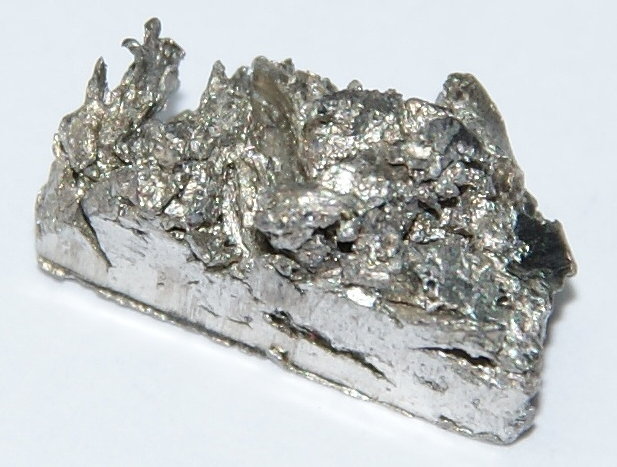
Discovered in 1939 by Marguerite Perey at the Curie Institute in Paris. The most unstable of the first 101 elements.
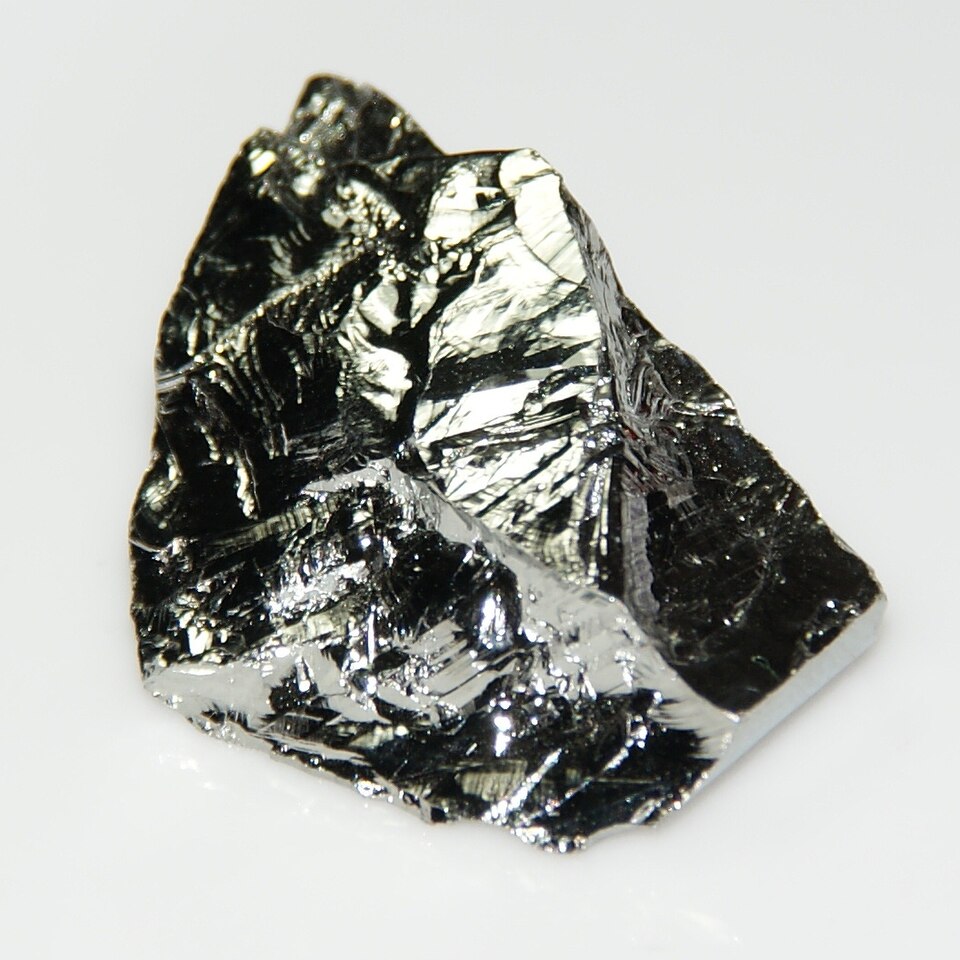
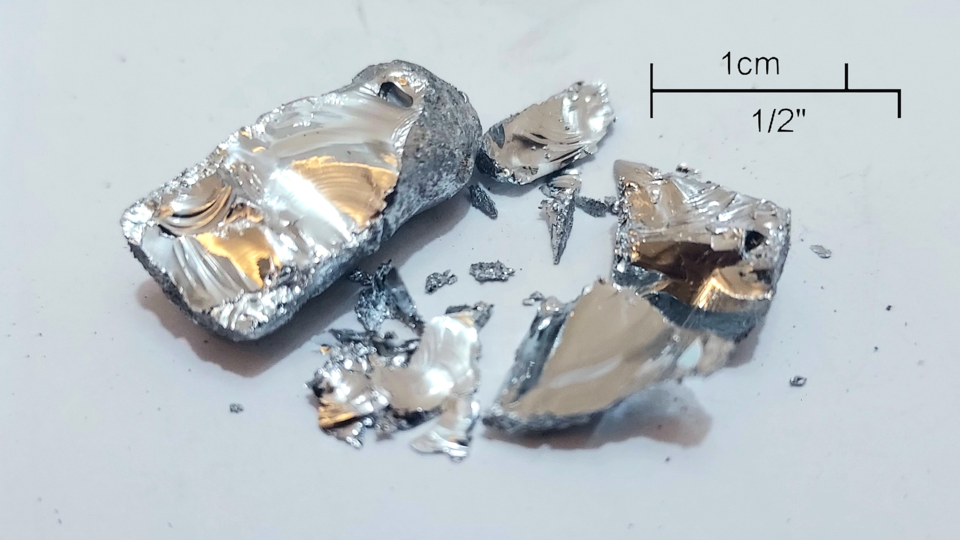
Discovered by Marie and Pierre Curie in 1898; named for Marie's homeland, Poland, which was not independent at the time.
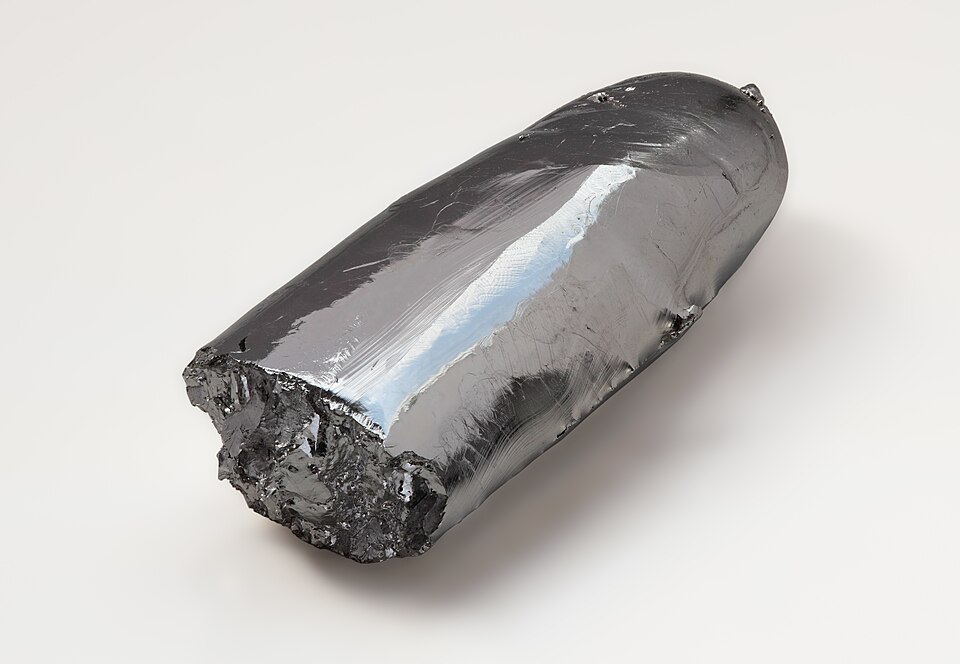
Discovered in 1844 by Karl Klaus at Kazan University.
Alchemist-hp · Free Art License
The first element discovered in Asia. Synthesized at RIKEN in Wako, Japan.
Elements Named After Cities and Regions
Several elements honor the cities or regions where they were discovered or studied:
Discovered in 1923 in Copenhagen, Denmark.
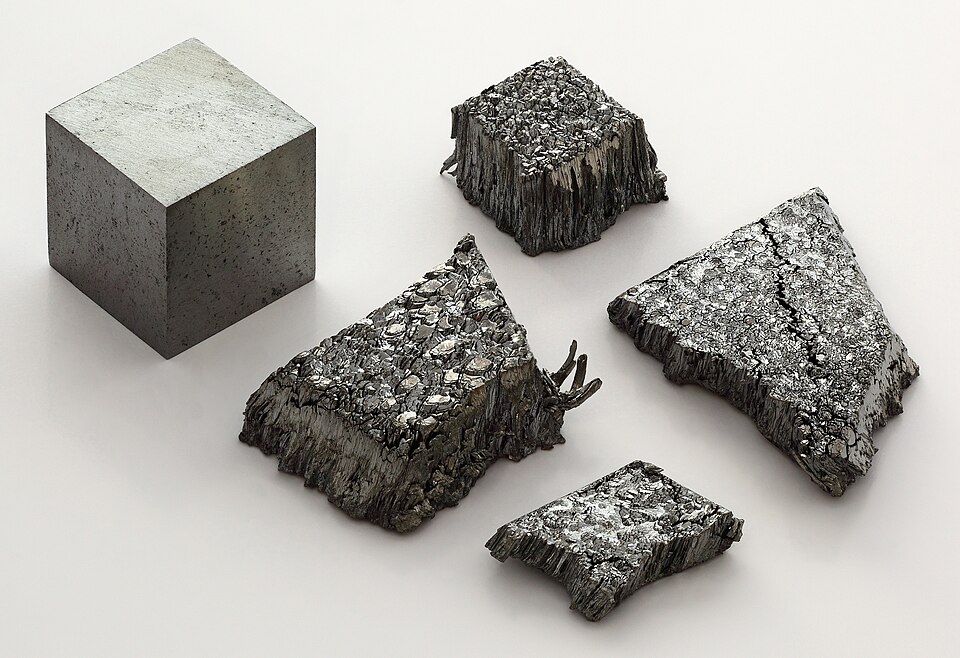
Named after the ancient Roman name for Paris.
Alchemist-hp · Free Art License
Named after the Rhine River in Europe.
Named after the German state where the GSI Helmholtz Centre is located.
Named for the city hosting the GSI research center where it was synthesized.
Named after the city where the University of California, Berkeley is located.
Named after the state and the University of California.
Named after the Russian city housing the Joint Institute for Nuclear Research.
Named for the US state, honoring research institutions there.
Named after the Moscow Oblast region.
Named after the laboratory in Livermore, California, which collaborated with JINR Dubna on its discovery.
Continents and Other Geographic Names
These names come from continents, regions, towns, islands, and legendary geographic names. Americium and europium belong here: their names refer to the Americas and Europe. Scandinavia is a region, not a country; copper's name comes through an ancient name for metal from the island of Cyprus.
Named for the Americas, in parallel with europium's name for Europe. Synthesized in 1944 at the University of Chicago; used in ionization smoke detectors.
Named for the continent of Europe.
Named for Scandinavia, where its discoverer Lars Fredrik Nilson lived and worked.
Named from the Latin name for Stockholm.
Named through magnesia, a mineral name associated with the Greek region of Magnesia.
Named for the Scottish village where the mineral strontianite was identified.
Its Latin name cuprum developed from aes cyprium, meaning metal from Cyprus.
Named for Thule, an ancient name for a far-northern land often associated with Scandinavia.
The Ytterby Connection
The small village of Ytterby in Sweden holds the record for inspiring the most element names. Four elements are named after it:
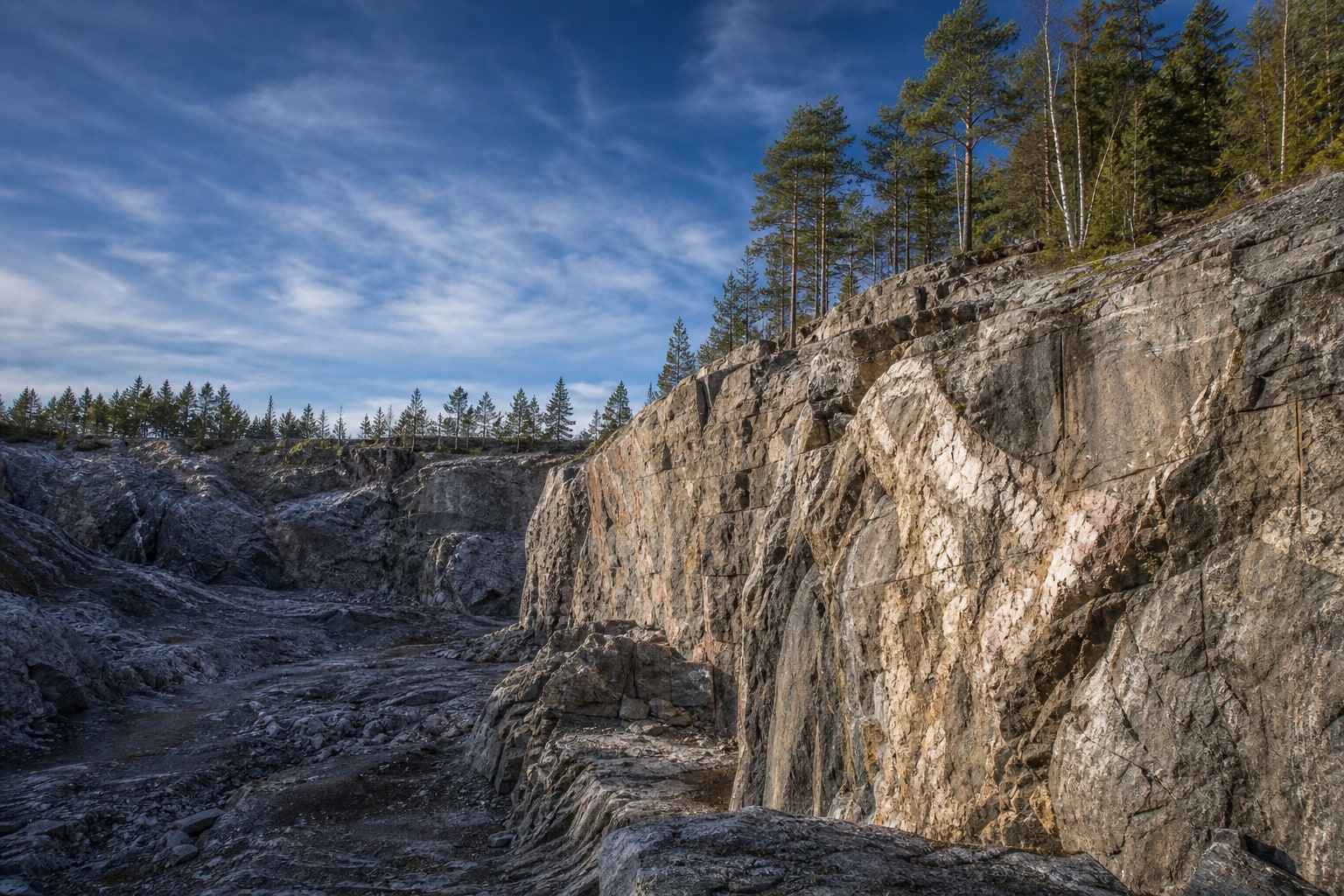
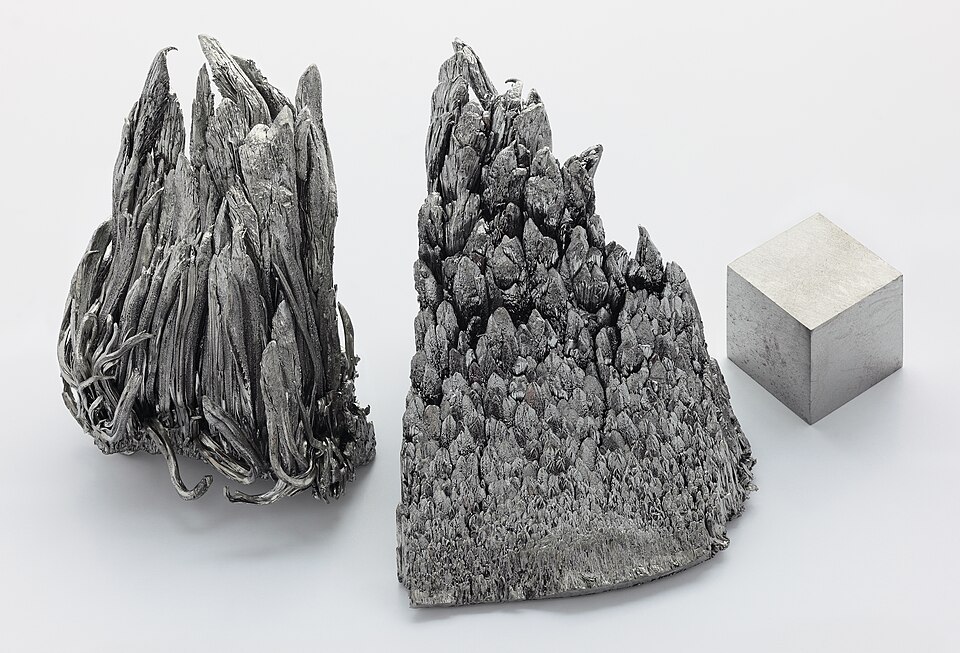
Yttrium, discovered in a mineral from the Ytterby mine.
Alchemist-hp · Free Art License
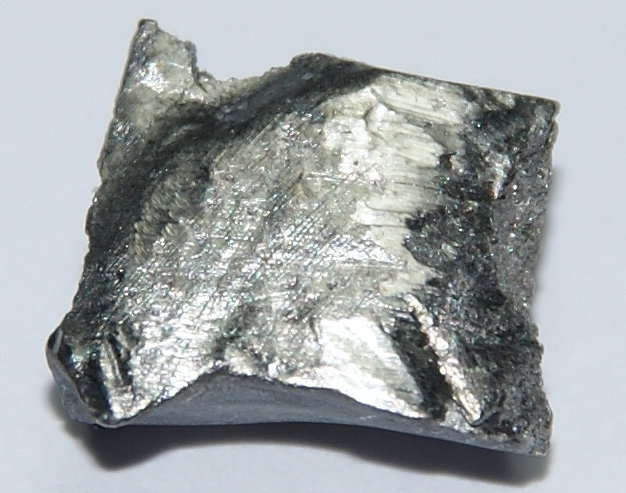
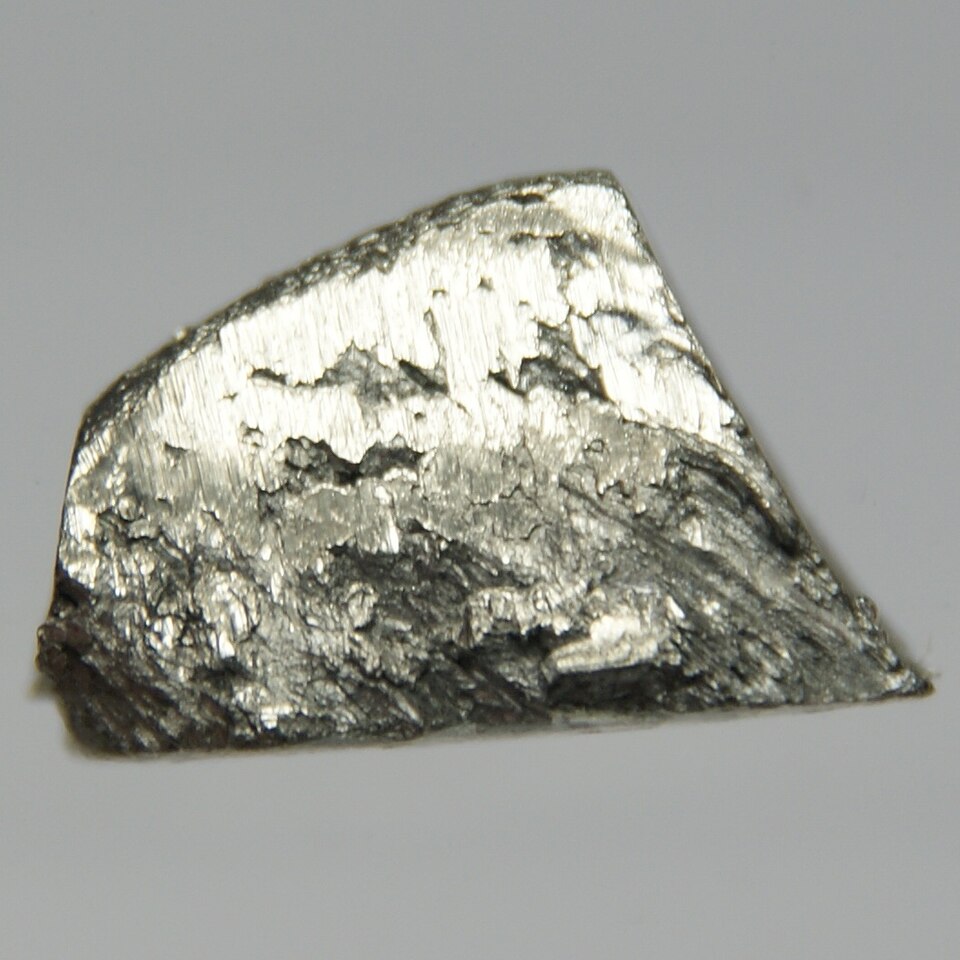
Erbium, another variation of the village name.
Hi-Res Images of Chemical Elements · CC BY 3.0